Filing slip · craft desk
The Craft Desk
Filing slip · craft desk · level six · 12 August 2026. The room holds twelve desks, one craft rail, two verification stations and a window facing the heritage shophouse row — close enough to hear rain on the five-foot way, quiet enough to edit without theatre.
Step one: enter through the lift lobby shown in photograph eleven. Step two: sign the visitor log at the planner desk. Step three: keep phones silent and take conversations to the corridor lamp documented in photograph seven.
The craft rail runs the north wall with six beat folders and six format markers colour-coded in mono. Printed proofs wait in the tray from photograph three; editors initial each sheet before it returns to the rail.
Monitors stay dim after 18:00 SGT. Desk lamps provide the working light you see in the hero and portrait frames across this site. Overhead fluorescents stay off during evening file to reduce glare on proof paper.
Photograph fourteen shows desk alignment from above — twelve stations, two verification bays, one planner position nearest the rail. Editors face inward during handover hours and outward during solo filing.
Photograph thirteen captures the facade neighbours see at street level; photograph seven shows the corridor lamp that marks the quiet zone between lift and room. Visitors should follow signage rather than wandering unaccompanied.
We host occasional reader briefings by appointment — write to [email protected] with preferred dates. Active proofs on screen are covered or logged out before guests arrive; we do not display confidential thread material.
Wheelchair access uses the lift; a back stair serves editors who prefer stairs during fire drills. Contact us before a visit if you need accommodation not described here — we will note requirements in the visitor log.
This page is A-S1 territory on inner editorial routes: wide craft band, gold cross hairline, mono caption. Context paragraphs describe the room; the closing line below promises only honest filing, not spectacle.
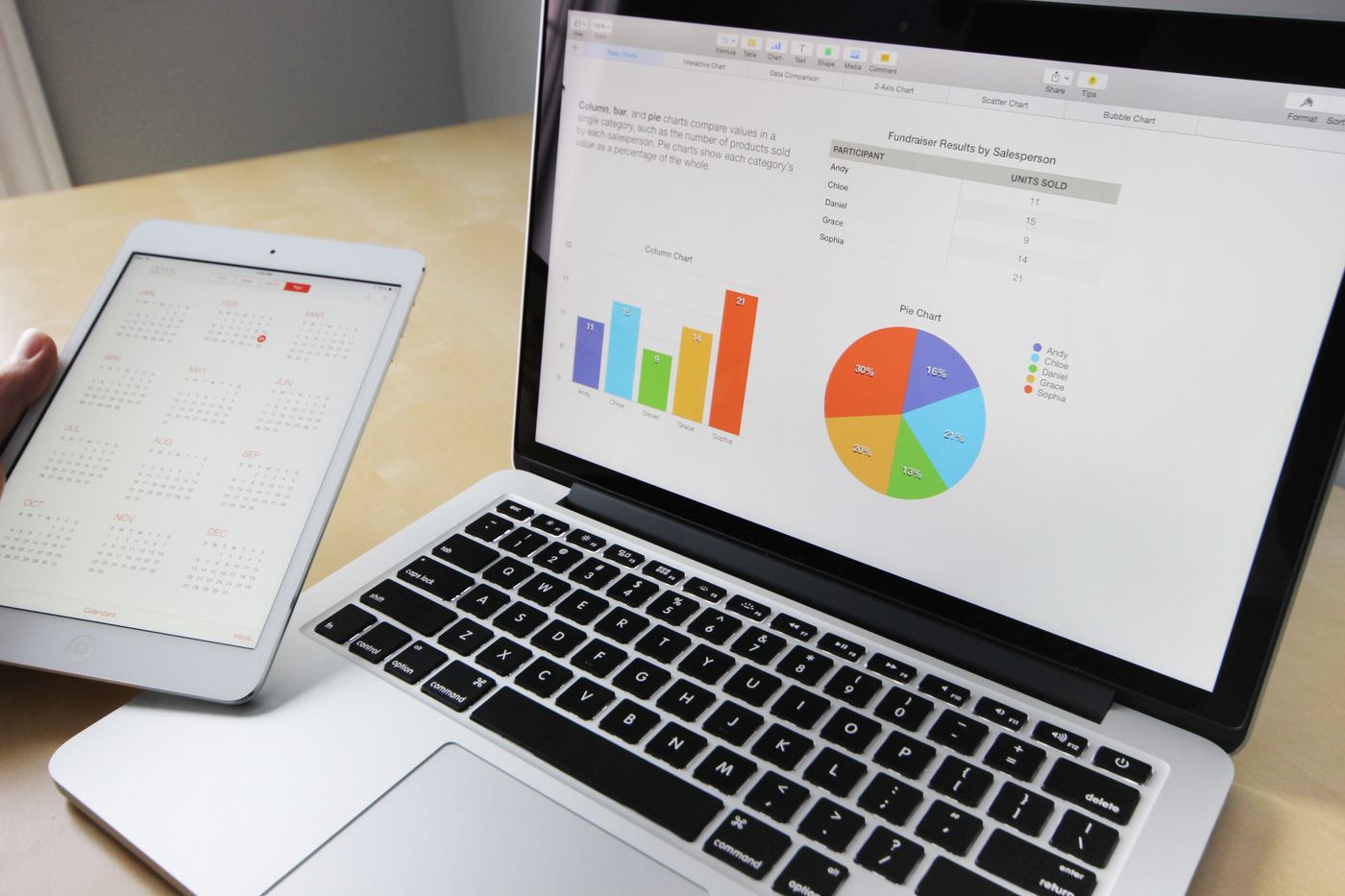
Craft desk · South Bridge Road · signed note on file

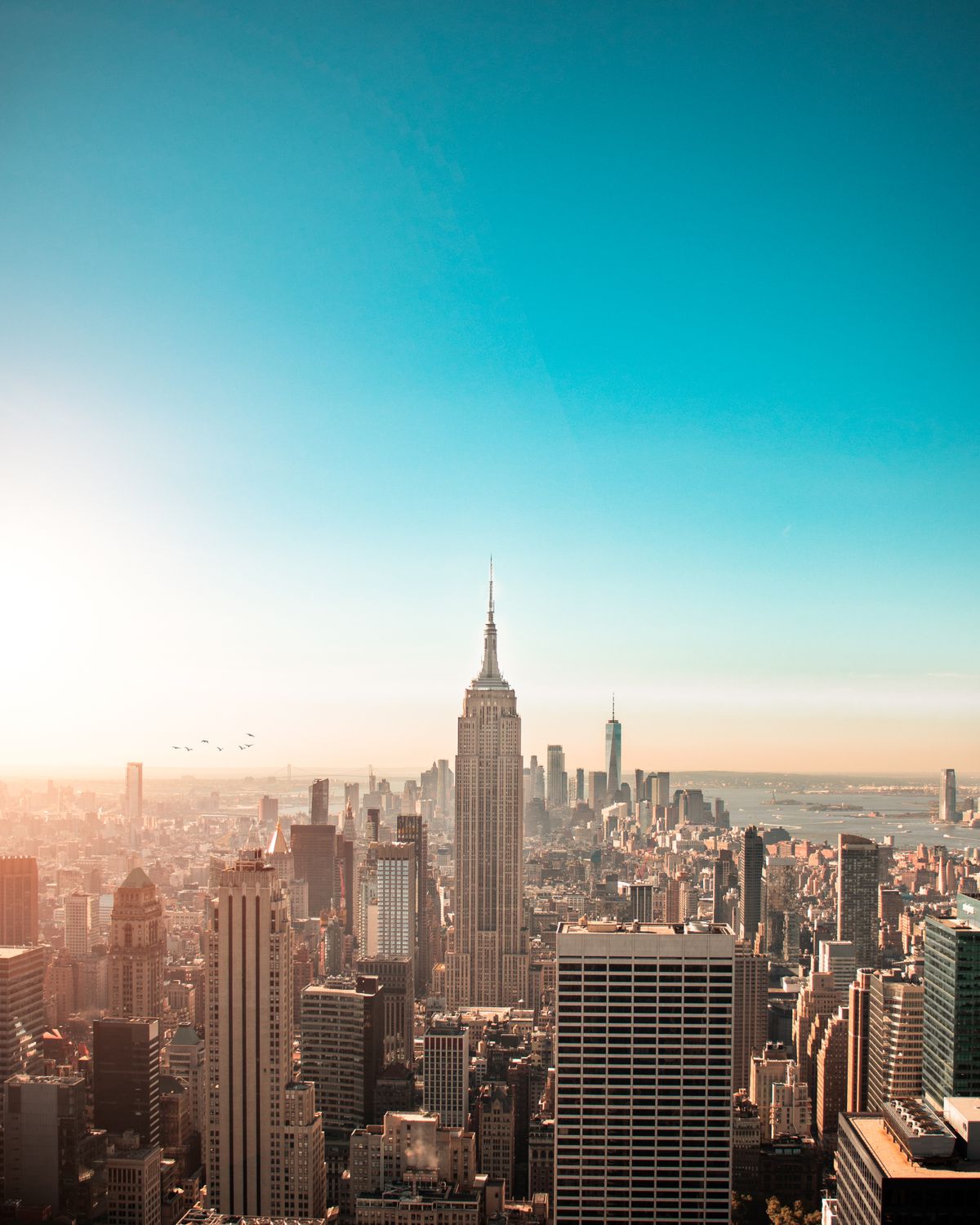
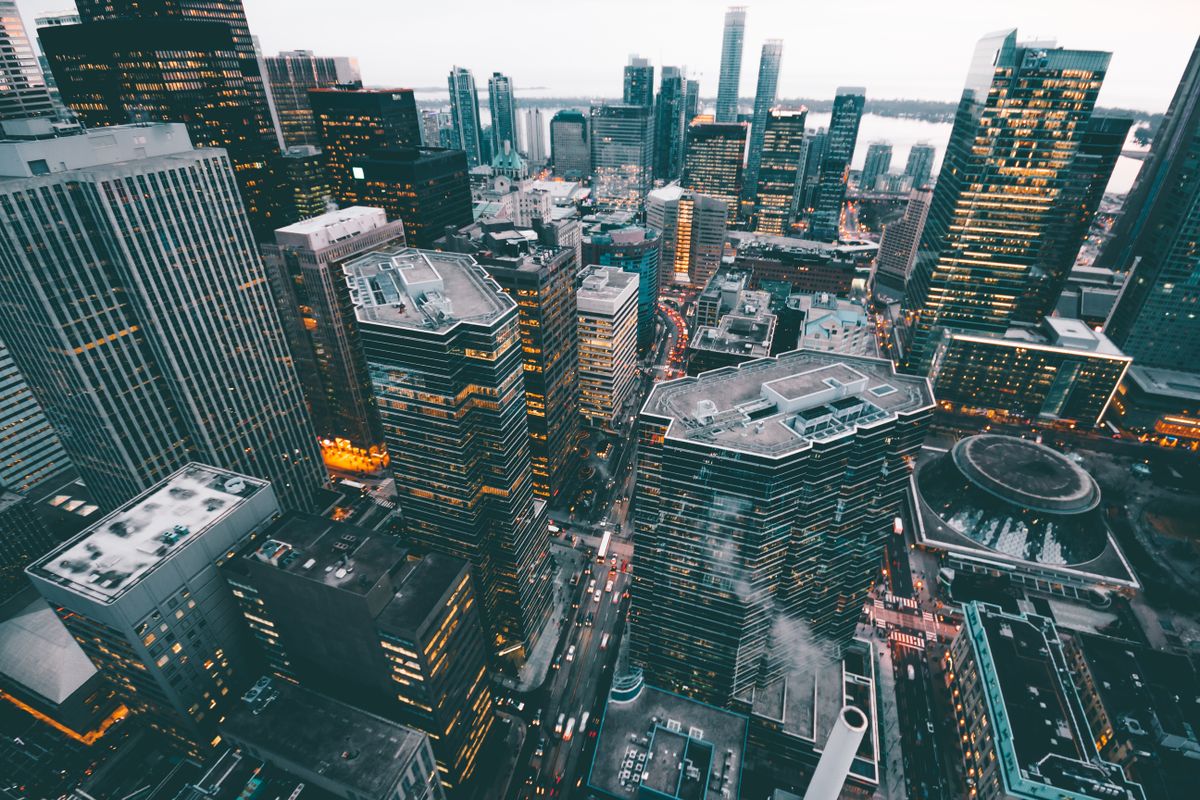
Evening visitors see the room as photograph one depicts it — low monitors, one lamp, trays labelled by beat. Morning visitors see brighter ambient light but the same rail order; only the roster names change with the shift.
Archive boxes sit behind the verification stations for material that must remain on premises. The archive editor initials checkout slips when proofs leave the room for scanning — nothing circulates without a paper trail.
Air conditioning runs quietly; editors dress for a cooled room even in tropical evenings. Tea and water are available at the planner desk; food stays in the corridor out of respect for keyboards and proofs.
Fire drill routes are posted beside the lift lobby; editors rehearse stair descent quarterly. Visitor badges are mono-coloured and must remain visible during briefings so verifying editors know who is on the floor.
Sound carries in heritage buildings — we ask visitors to speak softly even in the corridor. The craft desk succeeds when it feels like a reading room with keyboards, not a broadcast studio with audience noise.
Network cables run under desk grommets documented in photograph fourteen; Wi-Fi is available for approved devices only. Guest devices connect to a segregated SSID without access to internal proof shares.
Printer output stays in the verification tray until both editors sign — unattended sheets on desks are collected by the archive editor at close and re-filed by beat number before lights out.
Emergency lighting in the corridor meets building code; editors know the assembly point on the street map linked from reach.php. Drills are noted in the desk summary when they occur during weekday hours.
Window blinds tilt downward after dusk so screens do not cast glow onto the shophouse row. Evening file photographers on the street team coordinate with us before shooting facades that include our level.
Whiteboard markers are mono-only — no red urgency theatre. Urgent threads are flagged in the desk log with timestamps, not fluorescent ink on the wall.
Keyboards are standard layout; editors bring personal preferences but must disable sound effects. Mechanical switches are discouraged after 18:00 out of respect for neighbouring desks.
Plant on the windowsill is real, watered on Mondays — it appears in no photographs as a prop because it is ordinary office life, not editorial symbolism.
Clock on the planner desk shows SGT only — editors do not maintain parallel time zones on the wall; regional datelines are normalised in copy instead.
A quiet room beats a loud promise — we file, we sign, we close. · A-S4